 More and more parents are bringing up youngsters as vegetarians these days, so we thought we’d put together a rough guide to raising babies, toddlers and preschoolers as vegetarians. When doing so, certain considerations will need to be made, including ensuring that meals are nutritious, containing all the necessary food groups, vitamins and minerals needed by the very young.
Breast Milk
Babies will usually have breast milk or formula milk up until they are at least 6 months old. If they are only receiving breast milk, it’s recommended that they are given a suitable Vitamin D supplement, available as drops.
Vegetarian Formula Milk
There’s no need for Vitamin D supplements, though, with high quality, age-appropriate formula milk, as it’s already included. Formula-fed babies under six months should, of course, be receiving ‘First Milk’ (otherwise known as ‘First Infant Formula Milk’) and this contains everything they need during the first six months. It can be supplemented by solids once they start weaning, usually from the age of 6 months through to a year old.
 The good news is that formula milk that’s suitable for vegetarians is available. Parents may ask their midwife or health professional for any recommendations in regard to types or brands, particularly if one formula milk disagrees with the baby. However, whichever brand and type is chosen, the formula milk must be formulated for the baby’s specific age. This is usually obvious on the product label.
Vegetarian formula milks are usually based on cow’s milk although many other alternatives are available. Parents who wish to limit how much dairy products their infant consumes therefore have quite a wide choice but, if they’re avoiding dairy, they need to ensure that the formula milk is fortified with extra calcium and is unsweetened. They also need to read up because formula milk is a surprisingly big topic and can be a little bit of a minefield. There are several concerns over soya milk and rice milk, for instance, but those are just two examples. Check out our Formula Milk Guide for much more information about all the different kinds available as well as which formula milks to avoid.
Moving to Solids
 From around the age of 6 months, your baby will usually start the process of weaning off of milk and begin to eat solid foods, albeit given in puréed or liquidised form initially. This is when parents then need to be mindful of their child’s nutritional needs and this is even more pertinent when bringing up a child as a vegetarian.
The four main food groups that need to be covered are:
- Starch, which can come from foods like pasta, cereal, potato and bread;
- Fruit and vegetables, whether fresh (ideally), tinned, frozen or dried;
- Protein, which we’ll come to in a moment;
- Dairy, which is OK for most vegetarians but not vegans. Dairy products need to be pasteurised, though, and full-fat versions are appropriate for little ones.
Sources of Protein for Vegetarian Children
Protein is often seen to be the most tricky of the food groups to cater for when bringing up a child as a vegetarian. With meat and even fish out of the picture for avid vegetarians, what options are available?
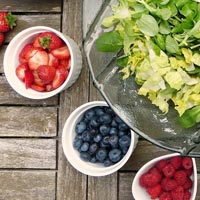 Well, tofu and other soya products will contain good quantities of protein.
- Nuts will too but you need to avoid whole nuts due to the potential choking hazard. So, smooth peanut butter, cashew butter, almond butter or seed butters will help with protein. Walnut butter is a wonderful source of Omega-3 too.
- Perhaps consider serving them on rye crackers.
- Indeed grains are high in protein but should be provided in ground form for babies to avoid choking. Similarly oats, barley, rice and quinoa are great protein sources, quinoa itself containing all 9 of the essential amino acids.
- Lentils, pulses, peas and beans are also great sources of protein.
- Houmous (based on chickpeas) is also great for protein but, again, keep it smooth to avoid choking hazards in the very young.
- For those not going the more strict vegan route, eggs and dairy products like cheese and yoghurt are good sources of protein. Eggs are a brilliant source of Vitamin B12 too, while dairy products are a great source of calcium and Vitamin D.
Your infant should have at least two portions a day of protein and these are essential in the absence of meat or fish, otherwise your child could miss out on not only the protein but also Omega-3 fatty acids, iron and amino acids (essential and non-essential varieties). So, protein from a variety of sources is advised.
What About Quorn?
Many vegetarian parents will eat Quorn (a popular mycoprotein) to replace meat. Is this any good for babies and infants?
While it is a great source of protein, it’s not recommended as a regularly eaten meat alternative for children under three because it can fill them up without giving them the necessary energy. That’s simply because it’s high in fibre but low in fat.
A Note About Iron
 Iron is essential for growing children and can be found in many of the foods mentioned above. That said, it’s worth mentioning that some foods block the absorption of iron. Such foods include tea as well as whole grains and legumes containing ‘phytates’, dairy products containing ‘casein’ and eggs and dairy products that contain particular forms of calcium. The simple solution to many of these is as follows:
- a) ensure the child has a varied diet,
- b) for them to eat such foods away from main meals,
- c) to include Vitamin C in the diet (as it will counteract the affect of phytates by binding to them) and
- d) to soak, cook or sprout the grains, pulses or seeds.
In regard to giving Vitamin C to help increase absorption of iron, children can try satsumas, oranges or tangerines after meals, a drink of well-diluted fruit juice (e.g. 1 part fruit juice to 10 parts water) or to include vegetables and fruit high in Vitamin C as part of their meals. These include many fruits and berries plus many vegetables including asparagus, broccoli, cauliflower, brussels sprouts, spinach, leafy greens, green or red peppers, tomatoes, potatoes and squash.
Vitamin Supplements
Age-appropriate vitamin drops may give parents peace of mind if their children are being brought up on a vegetarian diet. In fact, some parents on one or more specific benefits can receive free vitamin drops for children aged up to 4. These contain Vitamins A, C and D are suitable for vegetarians, also containing no milk or eggs. Note, however, that vitamin supplements are not required for children drinking the appropriate amount of nutritionally complete, age-appropriate formula milk each day.
We hope that this rough guide to raising an infant as a vegetarian is useful. It should only be used as a quick, introductory guide, though, so parents should do further research to get a more complete picture. It is also always wise, of course, to ask a health professional, GP or Health Visitor for their opinion on anything health-related for their individual child.
An Outstanding Nursery in Willesden
 Treetops Nursery offers the highest quality, freshly-prepared food using the very best ingredients available to our in-house chef each day. Children’s dietary requirements are all catered for and that includes those on a vegetarian diet. This is all part of the excellent weekday childcare services and healthy approach to nutrition provided at our nursery and pre-school. We cater for babies and children aged up to five.
If you are looking for an outstanding nursery, pre-school or childcare service in Willesden, near Willesden Green, Harlesden, Kensal Green or London NW10, please contact us by selecting a button below. We’d love to hear from you and to show you and your child around the nursery, so you can see for yourself what an excellent setting it is and how well your child will fit in. Please make contact as soon as possible to avoid disappointment, while a few places remain available:
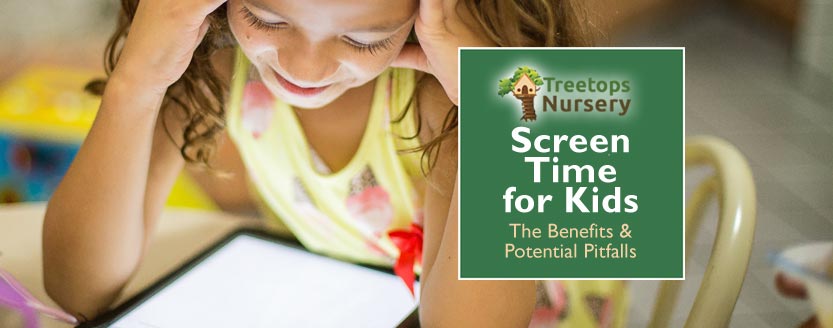
 Of course, that can be the case. What’s more, such handheld screens are a great way for parents to keep children entertained when perhaps they need to get on with other things. Electronic handheld devices also teach children about technology and introduce them to IT; essential skills for them to master in this day and age. Even games can be educational, with some designed to improve children’s numeracy etc. while at the same time being enormous fun. The key, though, is for parents to ensure that children are looking at the right content and not for extended periods of time. Ideally, it should be content that’s informative — i.e. content that will teach them something new, introduce them to new topics and allow them to make discoveries that will educate them. So, the content needs to be chosen and curated by parents — not the child.
 There are some tools available to help parents accomplish this. While we don’t endorse any particular online safety application over any other, applications like
  Hundreds of scientist and medical professionals around the world are convinced that handheld devices like mobile phones and tablets are potentially harmful to humans, especially unborn children, when connected to Wi-Fi. They say that this is due to the ‘RF wireless radiation’ that the devices emit when connected to the web (etc.). What’s more, they appear to have some compelling science and research to back up their claims.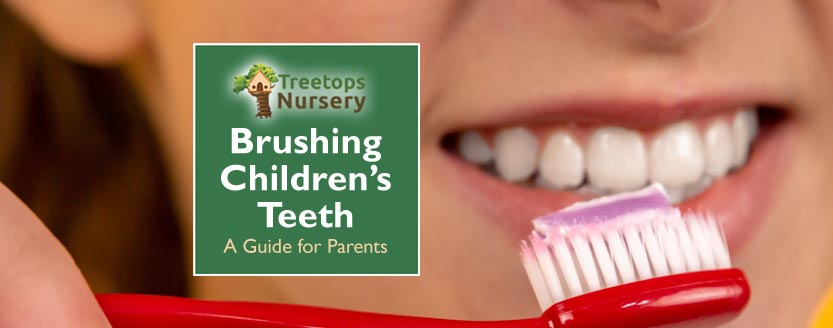
 Parents, guardians or carers should start brushing children’s teeth the moment teeth first appear, even when it’s only one or two teeth initially showing through. This is typically around the age of six to ten months when, for most babies, the lower incisors are first to appear. It varies enormously, though, with some babies even being born with one or more teeth. For teething babies, of course, you need to be more gentle with brushing than you would be for an older child, because their gums will probably be sore. Hence, there are some guidelines to follow in that regard. That’s exactly where this article comes in as we explain the accepted best practice for brushing infant teeth.
 The same general approach can be used for children aged 3 or over, except toddlers may stand, so long as their head can still rest against you so that it’s kept stable and relatively still while brushing takes place. As mentioned in the preceding section, a pea-sized amount of toothpaste can be used for this age group.
 As well as regular brushing of teeth and dentist check-ups, there are many additional measures that can protect children’s teeth. These really all come down to one thing; avoiding added sugar. So …
 The more obvious additional health and safety concerns include the following:
 This guide was brought to you by the childcare team at






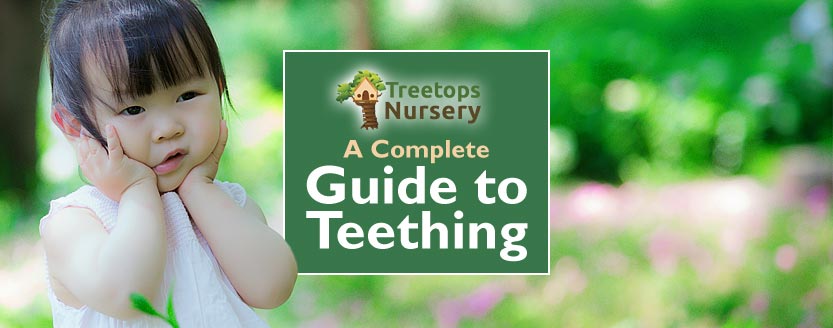
 In this, the first of two new posts relating to the very youngest of children, we’re looking at teething, including when it usually happens and what to do about it as a parent or carer. Teething can be stressful for parents and a painful time for babies, so it’s important to read the signs correctly and act accordingly.
 Most babies are born with no teeth showing at all. However, there are exceptions and it’s reasonably common to be born with one or more milk teeth already visible. In total, babies will have a total of 20 milk teeth; 10 in the upper jaw and 10 in the lower. These are already there at birth as they will have grown during the embryonic stage. However, they are hidden within the gums in most cases.
 Teething can cause babies pain and discomfort during the 8 days in which each tooth moves from under the gum to erupting through it. Apart from the obvious signs of the tooth erupting and perhaps a bluey-grey eruption cyst colouration in the gums, symptoms of teething include:
 There are a number of ways parents and carers can help babies and toddlers through their teething. One or more of the following may help:
 According to the NHS, there is no evidence that commercially-available teething gels (including homeopathic ones) are effective, so they recommend that non-medical options like those above should be tried first.
 When the time is right (usually by the age of 6) the milk teeth will start to shed. Normally, this is done in a particular order: first the two lower front teeth and the two upper front teeth will fall out (these are called the central incisors). Next to fall are the lateral incisors, then the first molars, the canines and finally the second molars.

 Less likelihood of developing cardiovascular disease including hyperlipidemia1;
 Higher physical activity and physical fitness levels are associated with improved cognitive performance (e.g., concentration, memory) among students.3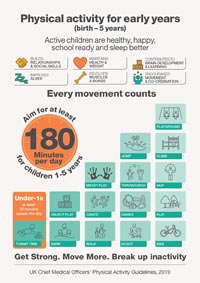
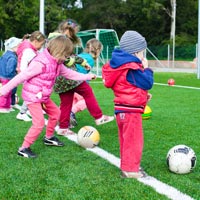 Knowing how important it is, we take exercise very seriously at Treetops Nursery in Willesden. However, we ensure that it’s always fun and exciting, so that children enjoy it, naturally. Physical movement and active play are all part of
 If you are living in England and are bringing up one or more children there, you are usually eligible to receive Child Benefit. This is a payment made by the Government to help with the costs associated with bringing up children. It’s made to those responsible for bringing up children up to 16 or, if they’re still in approved education or training, 20 years of age. This guide will go through the key facts around what you’re entitled to and eligibility.
 Additional Benefits of Child Benefit
 Reasons You May Not Be Eligible
 Childcare in Willesden, near Willesden Green, Harlesden & Kensal Green, NW10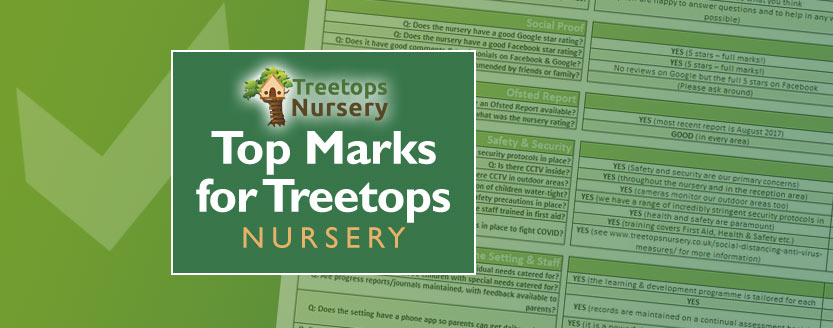
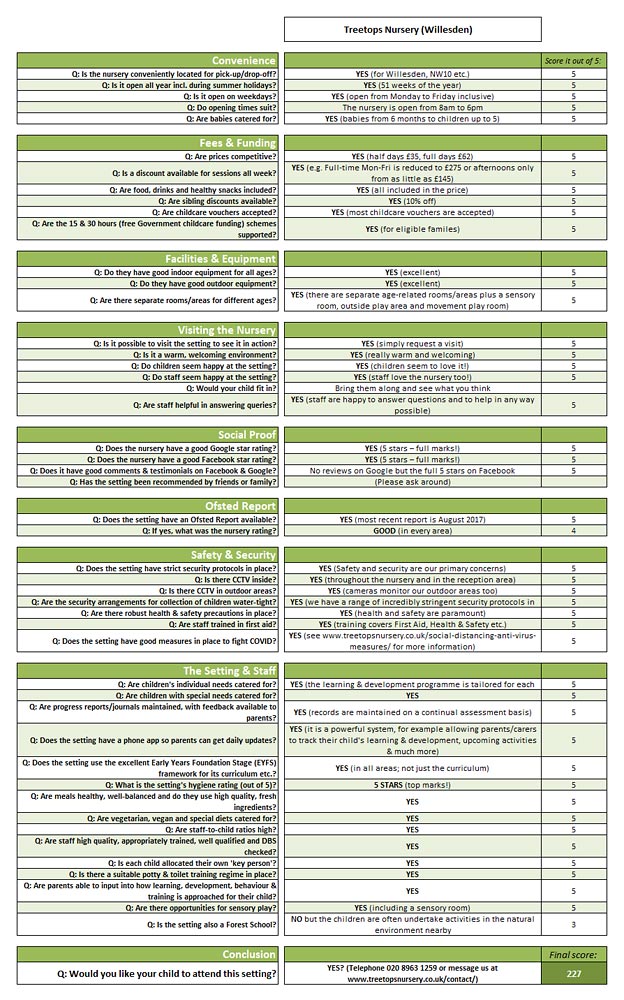

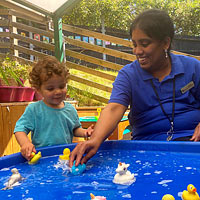 Equipment and facilities at the nursery are excellent, both indoors and outside. An excellent
 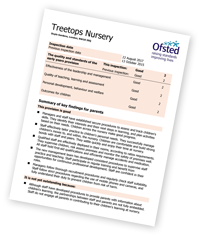 A Good Ofsted Report
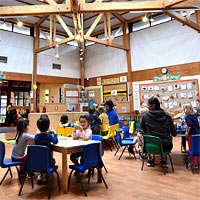 Children’s individual needs, including for those with special needs, are well catered-for at Treetops Nursery, Willesden. In fact, a learning and development programme is tailored to the needs, strengths, weaknesses and interests of each individual child. A ‘Key Person’ is also assigned to each child and this staff member continually monitors their progress, making changes to the tailored programme as appropriate as time goes by. Parents and carers are kept fully informed of children’s progress, including via a journal that is kept for each child. Parents are also free to add notes to the progress journal so a more complete picture is maintained for every child.