
 As promised in our recent posts ‘How to Attract Garden Wildlife – for Under-5s’ and ‘Bee-Friendly Flower Growing for Kids’, we follow up today with a guide to bird feeders that children can enjoy making at home. It’s a creative and educational activity that children of all ages will enjoy. And, With the right location and bird food, the home-made bird feeders are sure to attract a multitude of beautiful birds to the garden for the children to enjoy and learn from.
With any of these feeders, though, don’t expect birds to come right away. They’ll be suspicious of anything new in the garden for a while, so children need to be patient while the birds learn to trust the new addition. Once they have accepted it, though, they’ll come again and again if suitable food continues to be supplied.
Apple Feeders
 Starting with the most simple bird feeder of all, children can make an apple bird feeder. All they need is an apple and something to hold it. So, a piece of string threaded through it would be one easy solution for a hanging apple feeder (an adult may need to supervise for safety reasons). Another would be to spear the apple onto a vertical stick (see example photo), bamboo cane or even a suitably angled tree branch/twig. Again, adult supervision would be wise so the child does not hurt itself. Try peeling off some of the skin to show the apple flesh and this may encourage birds to have a peck. Apple feeders may be particularly popular with blackbirds.
Pine Cone Feeders
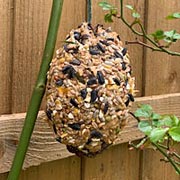 These are easy and fun for children to make. All they need is a suitable pine cone that’s ‘opened’, some bird seed and either peanut butter, suet or lard.* Children simply need to paste the peanut butter, suet or lard into the spaces between the pine cone scales, then roll the entire thing in bird seed, which will stick, and suspend the new feeder by string. Easy!
If no pine cone is available, the same approach can be used but using a chunk or thick slice of bread instead of the pine cone. However, we do not recommend it as bread will go mouldy if left outside for more than a day or two, and this can harm or even kill birds.
Suet* Flower Pot Seed Cakes
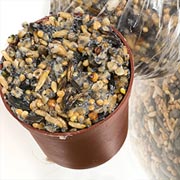 Suet* or lard* can also be used to make flower pot seed cakes. However, this will require the help of an adult because it will need to be melted on the hot stove before being mixed with bird seed. While still molten, it can be poured into flower pots or used yoghurt pots, where it will set solid, once cool. Children can take over only once it’s safe to do so. A piece of string can be then used to thread through and hang the seed flower pot or yoghurt pot in a suitable place to attract birds.
*Peanut Butter, Suet & Lard — Important Note
*If using peanut butter, ensure it’s fresh, salt-, sugar- and flavouring-free (or use a good brand of peanut butter made especially for birds). Both smooth and crunchy are suitable but smooth is a little safer for baby birds during breeding season.
With regard to suet, use only proper beef suet, from cows. It should be hard, not imprint if squeezed but instead crumble when handled. Avoid fake suets as they are not safe for birds.
If using lard, ensure it’s pure lard, is hard at room temperature and remains solid when it’s even warmer — otherwise it may simply melt on hot, sunny days, and this can be a bio hazard for birds. Like suet, pure lard should also not imprint when squeezed.
Plastic Bottle Feeders
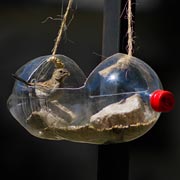
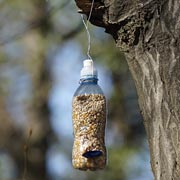
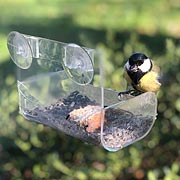
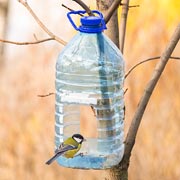 These are amongst the most adaptable of home-made bird feeders. As the photographs on this article show, they can be hung vertically or horizontally, depending on the way they’ve been adapted. They can also be used to house bird seed/food or drinking water. Birds do need fresh drinking water and, by the way, will often appreciate spring water more than tap water in areas where there is more chemical in the latter. Take a look at the photos to see what’s possible with recycled water bottles — children can get quite inventive!
Milk/Juice Carton Feeders
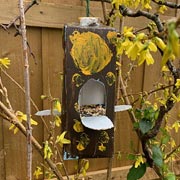 Bird feeders can be great fun when made from used juice or milk cartons. As the example shows, a few simple cuts (with adult supervision) are all that’s needed to form landing stages where birds can land in order to get to the seeds inside. String for hanging can be trapped at the top by using the screw-on lid, or using a hole made carefully/safely in the centre of the lid. Simple! What makes carton bird feeders extra fun is the fact that they can be painted by children. This will stimulate their creativity as well as making the feeders attractive — or even camouflaged.
Monkey Nut Feeders
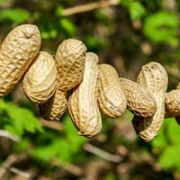 Another very simple type of bird feeder that children can make is a hanging monkey nut feeder. All children (or a supervising adult) need to do is to thread string through part of the outer husk of each monkey nut, forming a chain of nuts. This can then be strung between the branches of a tree or other suitable place. Birds including tits will easily peck through the outer husk to get to the nuts inside. Squirrels may also visit!
Please note that monkey nuts (peanuts that are in their outer cases) should be unroasted. Before serving them to birds, an adult should break a few open to ensure that there is no fungus between the outer case and the nut itself. The fungus called aflatoxin is harmful to both birds and children as it’s a carcinogen (i.e. causes cancer).
Choosing Your Bird Food
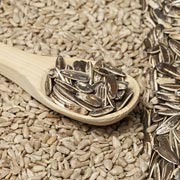 Choosing the right bird food is critically important for the success of bird feeders. There are many types of seed to choose from and different seeds will appeal to different bird species. However, to get started, we found that children can’t go wrong with just two or three key bird foods:
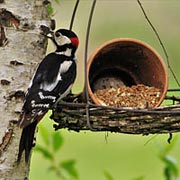
Sunflower hearts and/or mild cheddar cheese, each of which are easily and inexpensively available from supermarkets and online. These are extremely popular, especially amongst robins, various tits, sparrows, dunnocks, nuthatches, woodpeckers blackbirds, starlings and thrushes.
If going with cheese ensure it’s grated or chopped into tiny pieces that small birds will be able to easily swallow. Also ensure it’s fresh and has not got any mould on it (this can be dangerous to birds).
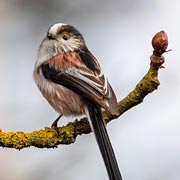
‘Robin Peanut Cakes‘ are also a huge hit with the same feathered friends, especially robins plus the addition of long-tailed tits, which are perhaps amongst the cutest of all UK birds — they are adorable! Robin Peanut Cakes are available from the physical and online shops of The National Trust, Ocado, Morrisons and many others, including Amazon.
Bread should ideally be a last resort (it’s not actually that good for birds) or, if used, it must be fresh, mould-free, torn up into tiny pieces and never left to rot. So, little and often is better than putting out a large amount all in one go when feeding birds bread, otherwise it can quickly go mouldy and harm the birds.
Locating Bird Feeders
 Children and adults should look for a safe and suitable place to site their newly-made bird feeders. To protect from cats and other ground-level predators, bird feeders should be at least 1.5 metres above ground level, while remaining low enough to allow for easy refilling. To protect from attack from above by birds of prey, bird feeders should be located ideally under some kind of ‘overhang’. For example, under the branches or canopy of a mature tree, or below protruding eves of a house or building. Children may well find that the bird feeders are more popular if these rules are followed.
Hygiene for Birds
 For birds, the bird feeders will need to be cleaned regularly so that disease is not spread throughout the bird populations. The RSPB has some useful guidelines here.
Bird drinking water should also be regularly changed and any vessel holding it also cleaned from time to time. Whether near drinking water or food, bird droppings are a particular hazard for birds, as these can spread disease and parasites.
Hygiene & Safety for Children
For children, particularly the very young, an adult should supervise the feeder-making activities, cleanliness around the bird feeders and even hygiene around bird food.
Adults may need to step in during the feeder-making process itself if materials need to be cut or punctured with scissors or a knife. These are especially hazardous for the youngest children who are not yet fully dextrous or good with hand-eye coordination.
After touching or cleaning used or dirty bird feeders, children should wash hands with soap and water or, better still, wear rubber gloves during the process. Any cleaning of feeders should ideally be done outside and any handling of cleaning chemicals (see RSPB link above) should be done by the supervising adult, not the child.
Last but not least, nuts are a known allergen to an unlucky few. Avoid them unless you know for certain that your child is not allergic to them.
Nature is So Good for Children
 Children learn a huge amount and benefit enormously from nature, particularly the very young, so making bird feeders to attract wild birds is a very worthwhile activity. It also supports several aspects of the EYFS curriculum, including understanding the world, nurturing creativity and much more. What’s more, it need not cost much, if any money to accomplish and will also help our feathered friends, particularly during months when there is precious little natural food around for them.
Do You Want the Best Childcare in Willesden for your Child?
Or perhaps you need high quality childcare near Harlesden, Willesden Green or Kensal Green.
 We are Treetops Nursery, one of the best nurseries and pre-schools in Willesden, and also near to Willesden Green, Kensal Green, Harlesden and London NW10. We’re independently rated by Ofsted as a Good early years provider in every category, so you know your baby or child under five will be in safe and capable hands. To register your child for a nursery/pre-school place, arrange a tour of the setting or find answers to any questions you may have, please contact us:
 Today, we follow up last month’s
  Parents/guardians of under-fives will need to supervise which seeds to buy — or to harvest free of charge at the end of a previous season. If purchased, they’re inexpensive with seed packets typically costing as little as £1.99 from places like
  Suttons and other seed suppliers even offer
 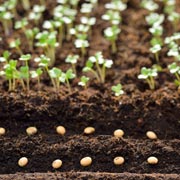 Commercially-supplied seeds will usually have instructions for sowing on the packets, so these can be followed easily. Generally speaking, though, there are a couple of main ways to sow flower seeds:
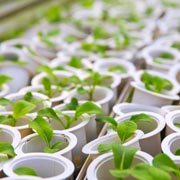 so long as whatever they use has drainage holes at the bottom (adults may need to supervise that part, for safety reasons). Drip trays will be needed underneath if this part is initially housed indoors. The earth used can be soil brought in from the outdoors or, of course, compost (suitable for seedlings and ideally peat-free as it’s better for the planet). Using this approach instead of the outdoor scattering approach will allow children to manually space out individual seeds more easily, once they’ve actually sprouted.
 After about ten days to two weeks or so, seedlings should start to appear through the soil. Once they start to grow significantly, it may be necessary for children to ‘thin’ some of them out, by transplanting any that are cramped, so there’s only one plant every few inches. This will allow each plant to grow to a significant size in the coming weeks, free of overcrowding.
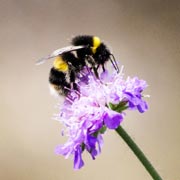
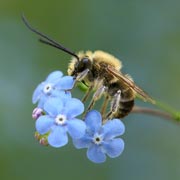
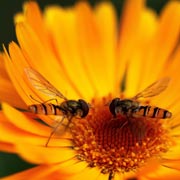
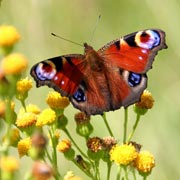 Once flowers are coming through, many types of delightful pollinators will soon follow. These are likely to include
 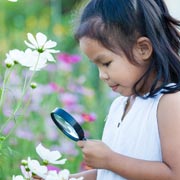 After all, little pollinators are generally very harmless, hard-working creatures who just want to go about their business in peace. They are, though, completely charming when you take the time to watch them and this is too easily missed by children if they’re glued to screens or kept indoors too much. Given the opportunity,
 The little creatures that nature provides are some of the most wonderful, magical things that both fascinate and educate young children. Nature is a wondrous thing, when you think about it. All the little beings and characters that crawl or dart around any wildlife-friendly garden will enrich both the garden and any onlooker. What’s more exposure to
  Hedgehogs also love piles of leaves, so long as they’re left undisturbed and are somewhere peaceful and safe. Therefore, a pile of them under a secluded bush or underneath a shed may prove popular with them. Children can also make hedgehog hotels — or buy commercially available ones from a garden nursery or online. It’s essential that hedgehogs are able to get into the garden in the first place, though. Therefore, there needs to be a space somewhere to get in, e.g. under a garden gate and/or under one or more parts of the fence around the garden. If there are no gaps, then there is no point in putting out a hedgehog hotel.
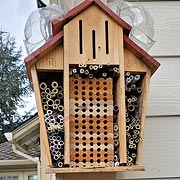 If children have no garden, simply attach an insect house (also known as a bug hotel) to any external wall. Alternatively, stand it firmly out of harm’s way, preferably somewhere peaceful, undisturbed and out of direct sun for most of the day. Simple insect houses and more complex bug hotels can be bought inexpensively online or from garden centres. They can also be home-made using chopped-up lengths of bamboo (or similar hollow sticks) bundled together with string. Children will need supervision for such an activity, of course, for safety. After a few weeks, children may notice that some of the hollow ‘tunnels’ are obstructed and this is likely to be insects, including solitary bees, ladybirds and some fancy types of solitary wasp, who have moved in or filled the hollow cores with pollen or nectar. They may seal entrances to overwinter or to protect eggs laid inside.
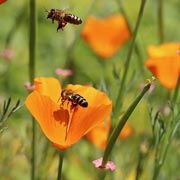 Flowers, and the nectar they provide, are irresistible to flying insects like wonderful bees, butterflies, hover flies and ladybirds. Many different flower types will attract such creatures and create a real buzz in the resulting flowerbed. We’ll write a separate post in due course about the types of flower that children can grow, perhaps from seed. Poppies are just one example to get children started, though. However, suffice it to say, if children grow any types of flowers, adorable creatures are likely to visit and bring real life to the garden.
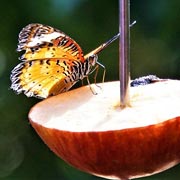 Similarly, butterflies and moths will enjoy a drink. However, in their case, they like some sugar dissolved into the water (a 50/50 mix is good, so the water may need to be warm during the preparation stage). Once cold, the sugar solution should be drizzled over pieces of ripe fruit like apples or oranges, which can then be placed into shallow dishes or speared onto vertical sticks. These can then go into the garden, balcony or window box — anywhere so long as they’re alongside any insect-attracting flowers.
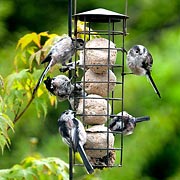 The cheese is a big hit with robins, blackbirds, pigeons, doves, sparrows and dunnocks, for example, but never use blue or mouldy cheese as it could harm them. These same bird types also love sunflower ‘hearts’, the inner kernel of sunflower seeds, which can be purchased inexpensively with the weekly shop from most supermarkets or, of course, online or from garden nurseries. ‘Robin Peanut Cakes’ by the National Trust (also available from Ocado) are also a massive hit in our own garden. Long-tailed tits, woodpeckers, starlings and nuthatches all adore such foods mentioned in this section. The seed can be sprinkled on the ground (little and often is best, so the food doesn’t go off, and somewhere safe away from hiding prey). Better still, for their safety, the bird food can be placed in bird feeders attached high up to windows, walls, sheds and fences.
 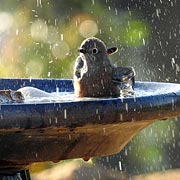 Or place on bird tables if you have them. Ideally, though, feeders should also be protected from attack from above, by birds of prey, so under a building overhang or overhanging tree branch would suit — not too near the ground either, otherwise cats are a potential threat. We’ll follow up in due course with a separate post showing children how to build and site home-made bird feeders — they’re easy, inexpensive and fun!
 Making wildlife-friendly areas will enrich the lives of both the wildlife and children — and their families. Visiting birds, mammals, insects and mini-beasts can teach children so much educationally as well as encouraging a deep respect and empathy towards nature. They can help children grow their understanding of ecological issues and possibly even lean children towards greener lifestyles as they grow up. Witnessing local wildlife in the garden can also feed into children’s creativity, encouraging them to draw, paint, take photos, build things and so on. In time, many of the delightful little visitors may indeed become regular ones that become familiar, friendly faces that come to say hello daily if conditions are right.
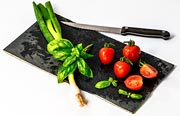 Did you know that you can grow vegetables, salads and herbs at home, almost free of cost? You don’t need seeds and you don’t even need a garden! Today we’ll explain how you and your child can help the household with an almost endless supply of potentially free, home-grown fresh produce, all year round. Children will have enormous fun with this amazing activity, whilst learning new skills and gaining important knowledge along the way. Even better — you all get to eat the produce once the home-grown ‘crops’ are ready! And it should save money for the household.
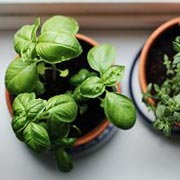 One of the many beauties of this activity is that you don’t need to buy any seeds or plants specifically for the task. You are going to show your child how to regrow small off-cuts of vegetables and herbs that you would already have bought as part of your weekly shop. To explain, some of the parts that you’d normally discard can actually be used to grow new vegetables — lettuce, for example. And, for herbs, there’s an easy and free way to grow new plants from small cuttings of shop-bought herbs that you may have purchased anyway (basil or parsley, for example). Using this approach, you could grow your own vegetables, salads and herbs and, in theory, never have to buy any again! We’ll explain later, in more detail. First, we’ll look at what you and your child will need for your plants to grow in.
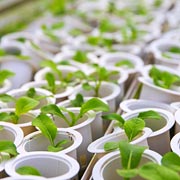 If your household already has flower pots or seed trays, then great. If not, there’s not even any need to buy them if you simply recycle things like empty egg cartons, used yoghurt pots, margarine tubs, the plastic trays from ready meals and suchlike. So long as they’ll hold some earth/compost and some holes are pierced in the bottom for drainage (this is best if done by an adult, for safety), then you’re almost good to go.
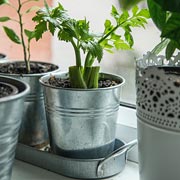 Now for the really clever, fun part! Instead of throwing away the ‘root’ part — that you’d normally cut off and discard — from the bottom of vegetables like onions, celery, garlic cloves, beetroot and lettuce, your child should save them, because that’s the part that will regrow if you encourage it. Show your child how to safely cut off and save a section about an inch deep, containing that ‘root’ section, from the bottom of used vegetables from your ordinary, weekly shop. Green onions, spring onions, lemon grass, various types of lettuce, Swiss chard and carrots are all additional examples of vegetables that have this bottom root section that can be harvested for later regrowth. Ginger too, but this takes significantly longer to regrow.
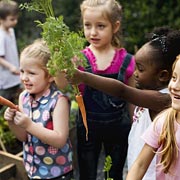 The compost should be kept moist as the vegetable regrows into another one that can, again, be harvested to eat as part of a healthy meal.
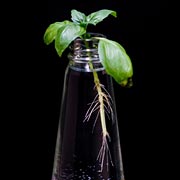 Herbs like basil, coriander, parsley, rosemary are also easy to regrow. When you’ve used most of them from your weekly shop for meals, save a few clippings from left-over stems. Clipping length will be different depending on the herb used. For example, basil clippings should be about 4 inches (100mm) long and rosemary clippings should be 2 to 3 inches (50-75mm) long. You may need to experiment a bit at first, so save a few different lengths if unsure initially.
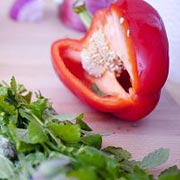 Another way to regrow shop-bought vegetables is to see if they have seeds inside. Tomatoes and peppers are great examples of these. So, when you’re next using them up for meals, get your child to save the seeds from things like peppers (you’d normally discard these anyway) and some seeds from a tomato — each one contains many. These too can be used to grow brand new plants and vegetables for next to nothing. It’s a little more advanced and they need more room, though. The best time to harvest tomato seeds is between summer and autumn, then plant them in spring if they’re intended for the garden.
 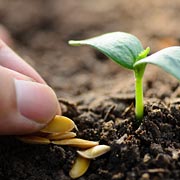 It’s similar for marrows, courgettes, pumpkins and squashes, although those need significant space (they’ll want to spread out), so may be more suitable outside once they begin to grow significantly.
 Children will love looking after these living things and seeing them grow or regrow. They will learn so much along the way and will have a great sense of achievement when successful. Once they’ve succeeded in producing something they can eat (… and potentially regrow again) they’ll probably want to do it more and try different things. The result, of course, is also fresh produce, which is rich in vitamins and nutrients and good for family health. Children will have been entertained, they’ll understand nature better and they’ll learn skills like patience and being responsible too. A key lesson is also to learn from mistakes — something we all have to do. What’s more, this natural activity for children may even save money for the household. All in all, it’s a great activity from every perspective.

 Less likelihood of developing cardiovascular disease including hyperlipidemia1;
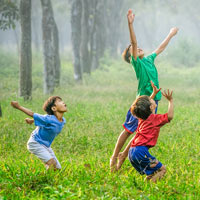 Higher physical activity and physical fitness levels are associated with improved cognitive performance (e.g., concentration, memory) among students.3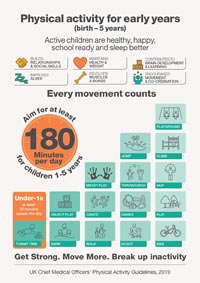
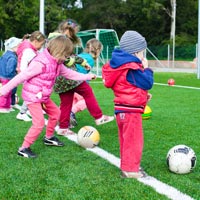 Knowing how important it is, we take exercise very seriously at Treetops Nursery in Willesden. However, we ensure that it’s always fun and exciting, so that children enjoy it, naturally. Physical movement and active play are all part of
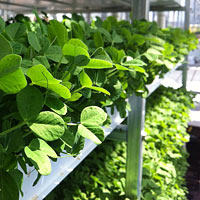 There is one class of edible plant that can be grown all year round and is perfect for kids to grow indoors, for example on a windowsill. Some types of this food will sprout in as little as a week. What’s more, it’s tasty and highly nutritious. Growing it is super-easy and a perfect way to keep kids entertained, educated about nature and eating healthily. It’ll also be a welcome addition to mealtimes for the whole household.
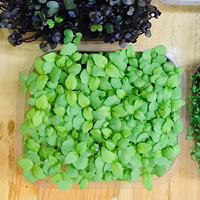 Here are just a few examples of plants that make suitable microgreens and can easily be grown by children indoors:
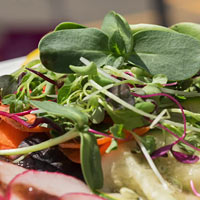 Fennel — just 10 days after first sprouting, leaves from young fennel seedlings will give a pleasant aniseed tang to dishes like pasta salads, risottos, soups and even stuffing.
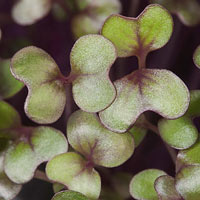 Red Cabbage micro leaves have one of the highest Vitamin C concentrations of any microgreen. They also contain Vitamin K, potassium, beta-carotene, calcium, magnesium and antioxidants. As with many of the microgreens, many top chefs use them as an attractive and tasty garnish. They can be sprinkled over soups, salads, grilled vegetables, stews and cooked meats. After sowing, they take only days to appear.
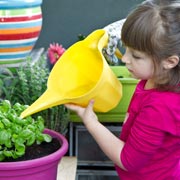
 Your child will need to fill the chosen containers with compost, not quite to the top. Tap it to level the soil, then pat it down just a little to firm it. Some gardeners also indent the compost where the seeds will go. The seeds then need to be carefully placed or lightly sprinkled into the indented areas. It’s important that your child spaces the seeds out so there is no clumping, otherwise significant problems can occur (the crop might get diseased or even completely fail). The seeds don’t need to be covered but a light dusting of sieved compost will keep them in place while allowing light to get through. The seeds then need to be lightly watered. It’s best for your child to do this part outside, just to avoid potential mess indoors, taking care not to over-water nor to wash the seeds away. A way to water them indoors is to simply stand the vessels in some shallow water for 30 to 60 minutes, so the compost naturally draws up the moisture.
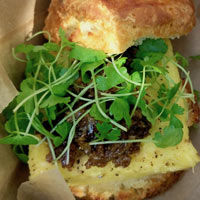 Once rinsed, the tender young micro leaves can be enjoyed in meals by the whole family. They’ll add often exquisite tastes and textures to meals as well as adding much-needed vitamins and minerals to the family diet. That’s even more important for growing toddlers and preschoolers, of course. And, throughout the growing journey, the children will absolutely love seeing the new shoots grow into young plants. They will have learnt new skills, had great fun getting to know more about nature and have a real sense of achievement. Chances are, too, that they will love the taste of the micro leaves.