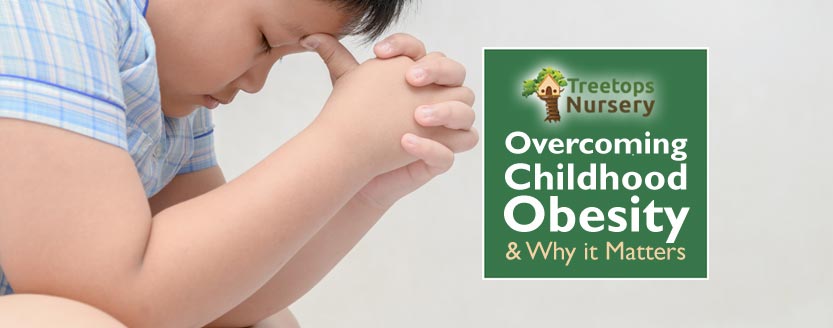
We previously covered the importance of healthy eating and exercise in children’s early years. Both play clear roles in a healthy lifestyle and in fighting potential weight and fitness problems. In today’s post we’ll take a closer look at obesity in young children, how to recognise it, and why it’s important to try to overcome it.
Obesity occurs when excess body fat accumulates in quantities that can be detrimental to health.
How to Recognise Obesity in Children
Apart from any obvious, physical signs, the easiest way to check whether your child has possible weight issues is to check their Body Mass Index (‘BMI’). While it’s not a perfect system, it’s an easy starting point to get a quick overview. The NHS has a great tool for measuring your child’s BMI, which you can access here. It’s quick, simple and free. Select the ‘Child’ tab at the top, enter their height, weight, date of birth, sex and the date of the measurements and then click the ‘calculate’ button at the bottom. Simple! The results are almost immediate and also include some useful  guidance and links. Your child will fall into one of 4 possible categories:
- Your child is underweight;
- Your child is a healthy weight;
- Your child is overweight;
- Your child is very overweight.
You may find that BMI results reference centiles. These are a way of comparing a child’s BMI to those of other children of the same age. They use data from Nationwide surveys, which offer a useful comparator. For example, a boy who is on the 60th centile weighs more than 60 out of 100 other boys of the same age in the survey. The healthy weight category for children falls between the 2nd and 91st centiles — quite a wide range.
Why Does Childhood Obesity Matter?
The reason this is important is summed up perfectly by the NHS:
“If your child is above a healthy weight now, they’re more likely to be above a healthy weight as an adult, which can lead to health problems in later life.”
Statistics around childhood obesity, and their ramifications, are startling:
- The age at which children are becoming obese seems to be getting worse i.e. reducing.
- By the time they start school, 1 in 5 children in the UK are either overweight or very overweight.
- Between year 6 and the age of 15, 1 in 3 children are overweight or very overweight — a very concerning statistic.
- Once children are obese, there’s a much greater chance that they will remain so as they grow older.
- By the time they reach adulthood, obese people are 7 times more likely to develop type 2 diabetes.
- Heart disease and depression are also statistically more prevalent in obese people.
- Premature death is twice as likely if you are obese.
 Socio-economic background matters too:
- Under-fives from deprived backgrounds are 2 times more likely to become obese.
- 11-year-olds from low-income backgrounds are 3 times more likely to become obese.
And society is suffering due to obesity too:
- More is spent by the NHS each year tackling the adverse effects of obesity than is spent on the fire service, police and judicial system combined.
All in all, fighting obesity early really matters!
How to Tackle Childhood Obesity
There are two clear ways that parents, guardians, carers and childcare professionals can help to ensure that children avoid weight problems and potential obesity. In essence, both come down to the child maintaining a healthy lifestyle:
- Through regular exercise, ideally starting from a young age so that good habits are formed early. Read our Guide to Early Years Exercise & Why it’s Essential here for full details.
- Through a healthy, balanced diet; one that contains the right food groups in the right amounts. Again, children should be doing this right from an early age so that eating healthily comes naturally as they grow older. Read our Guide to Healthy Eating for Preschoolers here for further information.
Both are great guides with some excellent background information, tips and more. So, perhaps bookmark the links and feel free to share any of our articles on social media or online. All we ask is that you link back to our original post(s).
A Healthy Start at Treetops Nursery in Willesden, London NW10
 The childcare professionals at Treetops Nursery do, of course, follow exactly this approach. We supply healthy, balanced, meals and drinks, which are freshly prepared on site each day using only the best ingredients. Babies, toddlers and preschoolers also get ample, rich opportunities for active play and exercise as part of their tailored learning and development programme. All this, together with the excellent early years curriculum at the nursery, gives them the very best start in life and clean, healthy foundations to build upon once they leave us to begin school at age five.
If you are searching for the best nurseries for your baby or child in Willesden or near Willesden Green, Kensal Green or Harlesden you’ll find Treetops Nursery very hard to beat. Facilities and resources are excellent and the setting has a wonderful Ofsted report. If you’re considering a place here for your child, please contact us. We’ll be happy tell you more and to show you around. Please choose from the following:
 Breast milk is nature’s totally natural food for newborns and little ones, containing nothing artificial or added.
 Babies are also more protected against asthma if they have been breastfed.
 Breastfeeding a baby reduces the chance of mothers developing Type 2 Diabetes.
 Our top 25 benefits of breastfeeding really only scratch the surface. Breastfeeding and breast milk have many more benefits including anything from saving money and being more convenient (nothing needs buying or preparing) to being better for the planet. With breast milk, there’s no packaging to throw away and it’s a totally sustainable food source, direct from nature. Incredible when you think about it.
 More and more parents are bringing up youngsters as vegetarians these days, so we thought we’d put together a rough guide to raising babies, toddlers and preschoolers as vegetarians. When doing so, certain considerations will need to be made, including ensuring that meals are nutritious, containing all the necessary food groups, vitamins and minerals needed by the very young.
 The good news is that formula milk that’s suitable for vegetarians is available. Parents may ask their midwife or health professional for any recommendations in regard to types or brands, particularly if one formula milk disagrees with the baby. However, whichever brand and type is chosen, the formula milk must be formulated for the baby’s specific age. This is usually obvious on the product label.
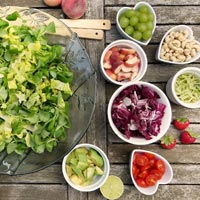 From around the age of 6 months, your baby will usually start the process of weaning off of milk and begin to eat solid foods, albeit given in puréed or liquidised form initially. This is when parents then need to be mindful of their child’s nutritional needs and this is even more pertinent when bringing up a child as a vegetarian.
 Well, tofu and other soya products will contain good quantities of protein.
 Iron is essential for growing children and can be found in many of the foods mentioned above. That said, it’s worth mentioning that some foods block the absorption of iron. Such foods include tea as well as whole grains and legumes containing ‘phytates’, dairy products containing ‘casein’ and eggs and dairy products that contain particular forms of calcium. The simple solution to many of these is as follows:
 Healthy, Balanced Meals for Children
 The Benefits of Healthy Eating for Children
 What Should Children be Eating & Drinking?
 Portion Sizes
 Healthy Eating at the Nursery
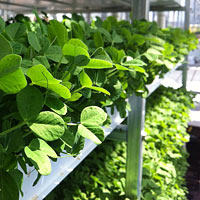 There is one class of edible plant that can be grown all year round and is perfect for kids to grow indoors, for example on a windowsill. Some types of this food will sprout in as little as a week. What’s more, it’s tasty and highly nutritious. Growing it is super-easy and a perfect way to keep kids entertained, educated about nature and eating healthily. It’ll also be a welcome addition to mealtimes for the whole household.
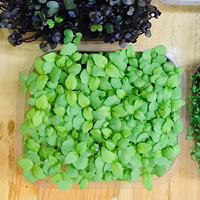 Here are just a few examples of plants that make suitable microgreens and can easily be grown by children indoors:
 Fennel — just 10 days after first sprouting, leaves from young fennel seedlings will give a pleasant aniseed tang to dishes like pasta salads, risottos, soups and even stuffing.
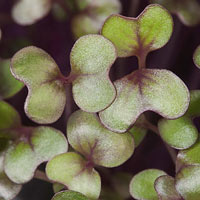 Red Cabbage micro leaves have one of the highest Vitamin C concentrations of any microgreen. They also contain Vitamin K, potassium, beta-carotene, calcium, magnesium and antioxidants. As with many of the microgreens, many top chefs use them as an attractive and tasty garnish. They can be sprinkled over soups, salads, grilled vegetables, stews and cooked meats. After sowing, they take only days to appear.
 Your child will need to fill the chosen containers with compost, not quite to the top. Tap it to level the soil, then pat it down just a little to firm it. Some gardeners also indent the compost where the seeds will go. The seeds then need to be carefully placed or lightly sprinkled into the indented areas. It’s important that your child spaces the seeds out so there is no clumping, otherwise significant problems can occur (the crop might get diseased or even completely fail). The seeds don’t need to be covered but a light dusting of sieved compost will keep them in place while allowing light to get through. The seeds then need to be lightly watered. It’s best for your child to do this part outside, just to avoid potential mess indoors, taking care not to over-water nor to wash the seeds away. A way to water them indoors is to simply stand the vessels in some shallow water for 30 to 60 minutes, so the compost naturally draws up the moisture.
 Once rinsed, the tender young micro leaves can be enjoyed in meals by the whole family. They’ll add often exquisite tastes and textures to meals as well as adding much-needed vitamins and minerals to the family diet. That’s even more important for growing toddlers and preschoolers, of course. And, throughout the growing journey, the children will absolutely love seeing the new shoots grow into young plants. They will have learnt new skills, had great fun getting to know more about nature and have a real sense of achievement. Chances are, too, that they will love the taste of the micro leaves.
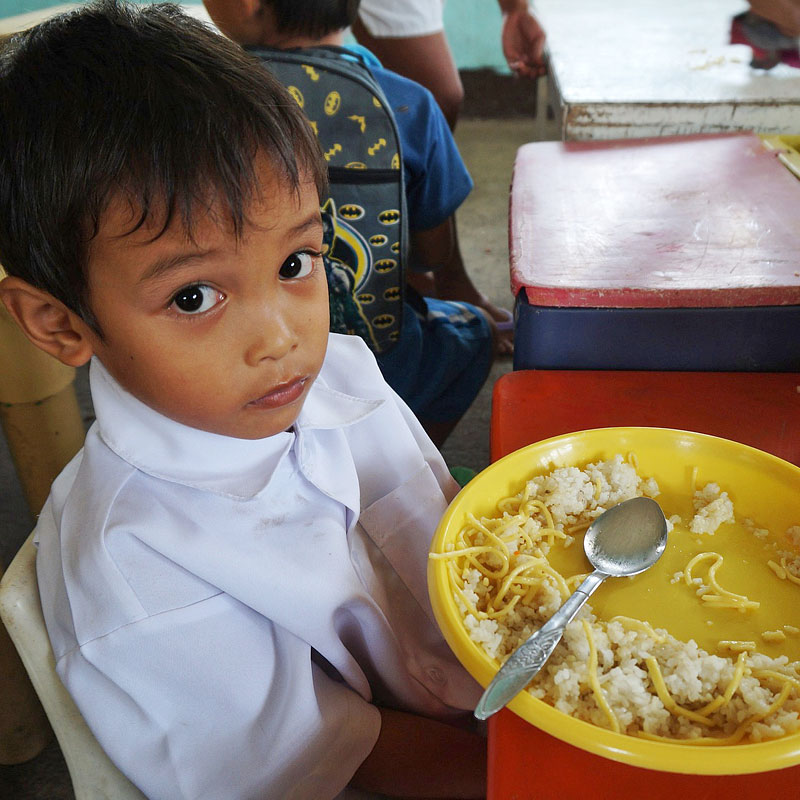 If your child’s refusal to eat certain foods is making you stressed, take a moment to realise that this is perfectly normal. Indeed, many toddlers go through such a phase in their earliest years. If they’ve recently been breastfeeding, they will have become accustomed to a sweet-tasting diet. When they are weaned onto solids and suddenly become mobile, it’s natural for them to be wary of eating just anything — it’s so new to them. In fact, refusing some foods is an instinctive survival mechanism. It’ll take time for them to become accustomed to new tastes and textures.
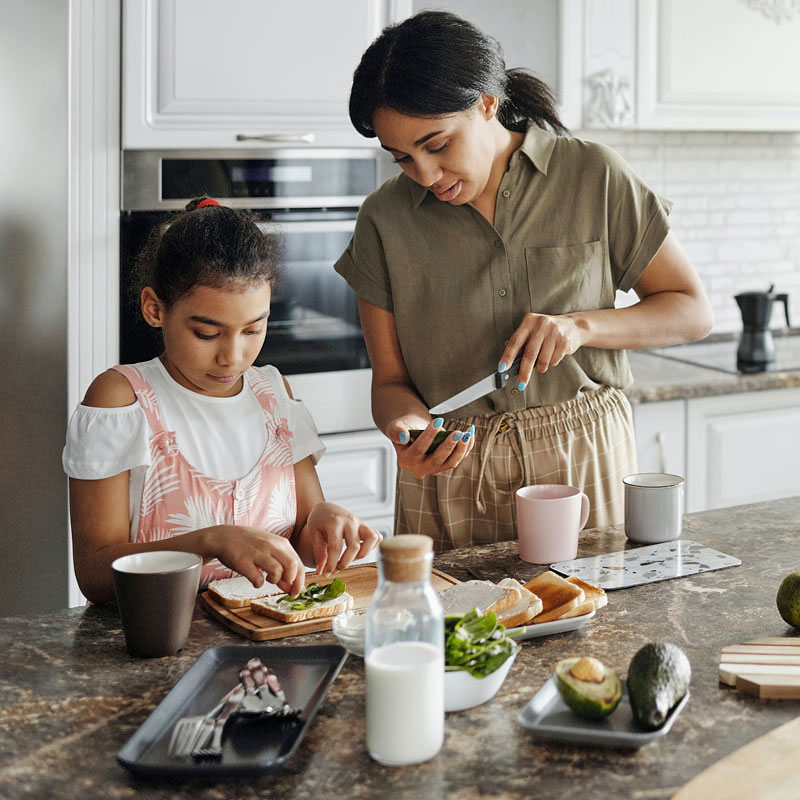 Involving children in planning meals, shopping for food and even preparing the food can encourage them to eat more food types. For example, they could help when picking vegetables or have a say in how food is displayed on the plate. You’ll also be teaching them new things along the way.
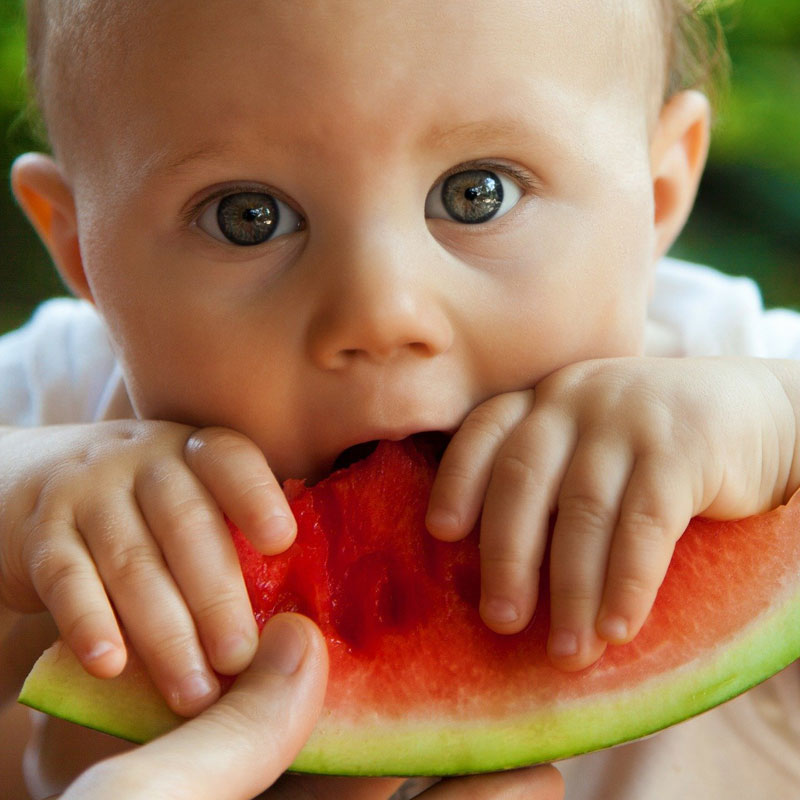 Using positive phases like yummy, tasty and so good when eating will help to build positivity around food. Talking about how food was prepared or how an item of fruit or vegetable grew in the garden may spark an extra level of interest in the child. Making food sound generally positive is a good approach. Remind the child how good the food will make them feel, how it will recharge them and make them energised and ready for the day’s tasks. For example, you could explain how they will have lots of energy for the swings, or park or when playing ball etc.
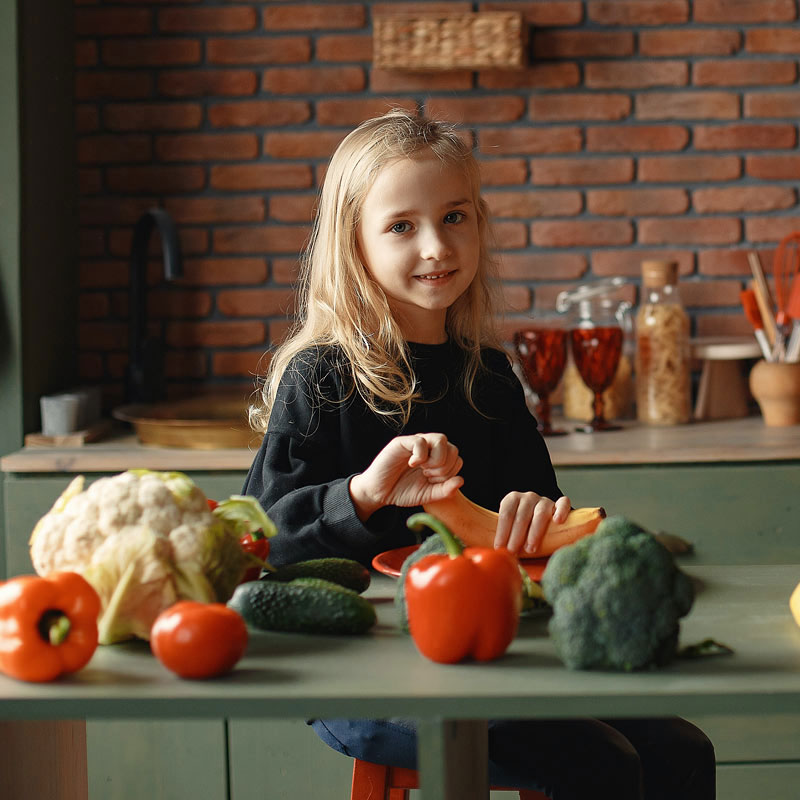 We confess that we’ve been known to employ a few of the tips above at the nursery! Healthy eating is very much in our DNA at Treetops Nursery in Willesden, NW10, so we do all we can to ensure that our under-fives are getting the right sized portions, healthy food and a good dietary balance. Our in-house chef prepares tasty meals using only the best, most fresh ingredients. All special dietary needs are catered for, including vegetarian and vegan options when required. Children attending all day will receive three high quality meals plus a snack in the morning and another in the afternoon. Drinking water is available on tap all day. All food and drink is covered within our standard fees.